
The Flora Family Foundation makes grants in two categories -- individually sponsored grants and program-related grants. Individually sponsored grants of $40,000 or more must be approved by the Board. These are called Board Grants. Individually sponsored grants under $40,000 are reviewed and approved by the Foundation president, pursuant to a delegation of authority from the Board. These are called Council Grants. All other grants of the Foundation are approved by the Board through the Foundation’s four program areas: the Gap Program, the Climate Protection Program, the Marine Conservation Initiative and the Black Maternal Health Initiative.
The Gap Program addresses the gulf in wealth between the world’s rich and poor. The Gap Program supports community-based groups and nongovernmental organizations that seek to improve the lives of the poor in selected developing settings.
The Climate Protection Program focuses on ways to slow emissions of heat-trapping gases in the atmosphere and to speed the transition to a clean energy economy.
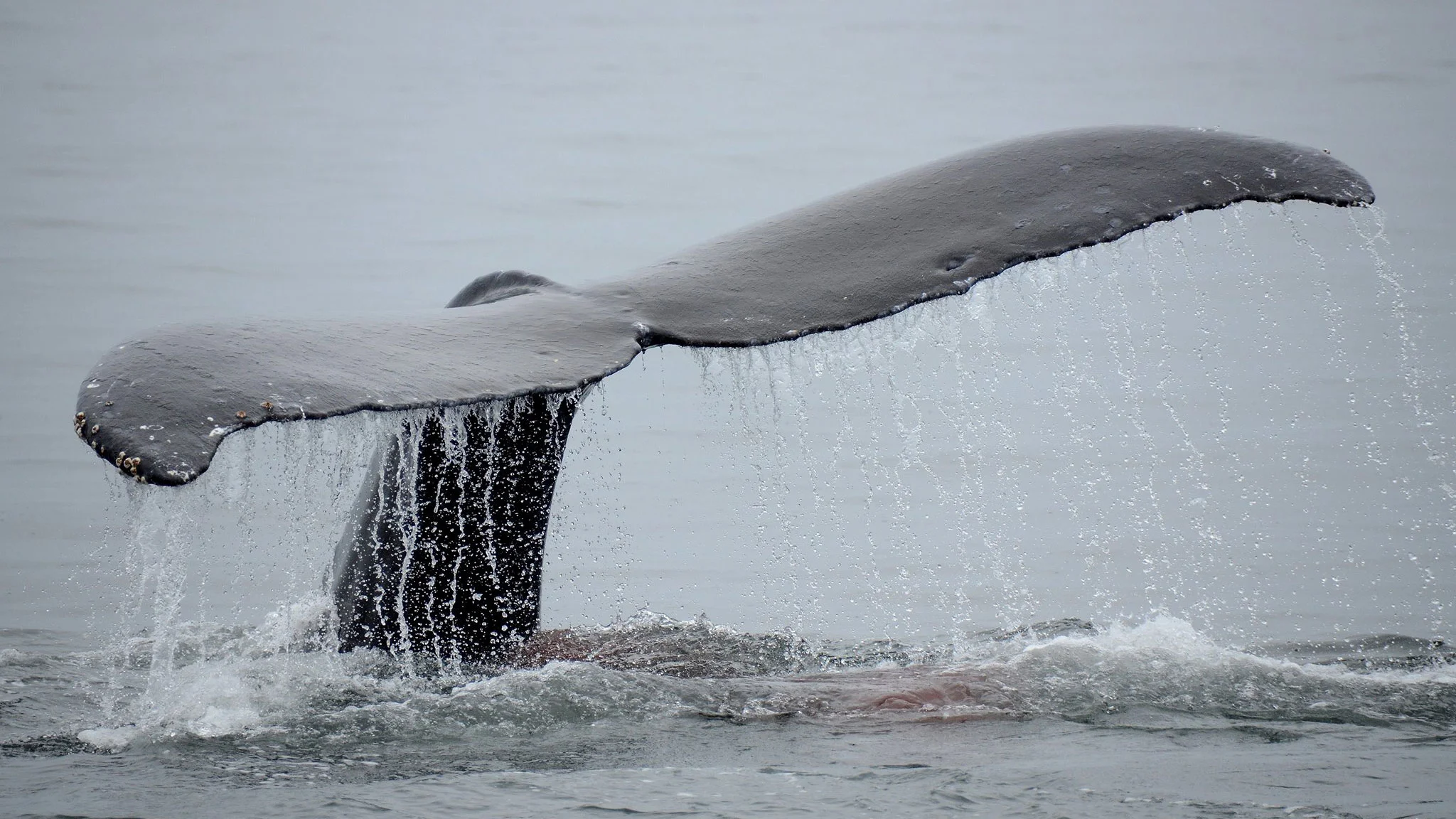
The Marine Conservation Initiative supports research and projects with global implications for ocean health.
The Black Maternal Health Initiative focuses on addressing the disparity in health outcomes for Black women in California.
The Foundation has no geographic or subject area constraints on grantmaking as long as the grant opportunities fit the philanthropic interests of the Family Council and meet IRS requirements. By necessity, this open-ended approach requires that all of the Foundation's grantmaking must be done on a strictly invitational basis. We regret that we are unable to consider unsolicited requests for support.
In its grantmaking decisions as well as in its interests and activities, the Flora Family Foundation is wholly independent of the William and Flora Hewlett Foundation, the Hewlett-Packard Company, and the Hewlett-Packard Company Foundation.
Impact Investing

The Flora Family Foundation has committed a substantial carve-out within its endowment for investments that can both achieve market-like, risk-adjusted returns and advance the Foundation’s mission to address social and environmental problems. Investments touch domains including green technology, affordable housing, health care for the poor, community development, education, and financial services for small and medium-sized enterprises. Funds are active both in the U.S. and across the world. The foundation has established performance targets pegged to appropriate benchmarks. The portfolio has consistently achieved the foundation’s goals both with respect to financial returns and social and environmental impacts.
The Foundation does not consider unsolicited inquiries from investment firms.
2025 Year in review
2025 Year in Review
At the beginning of every year, about 60% of the foundation’s grants budget is assigned to individual allocations for grantmaking. Each member of the 33-person Family Council and Board receives the same allocation. The remaining 40% of the grants budget is designated for the foundation’s four program initiative areas - the Gap Program, the Climate Protection Program, the Marine Conservation Initiative, and the Black Maternal Health Initiative. Over the course of a year, it is common for Family Council and Board members to commit some portion of their allocations to programs or initiatives. By the end of the year, this typically yields a roughly equal split between individually and collectively sponsored grants.
In 2025, 167 grants were awarded: 41% of the grants budget took the form of awards sponsored by members of the Family Council, often in co-sponsorship with others, and 59% of the budget was awarded collectively through programs, initiatives, and pooled funds to address urgent issues. Since collective grantmaking has a larger average award size, this data can be viewed through a different lens: 113 grants were individually sponsored (67%) while 46 were collectively sponsored (28%). Another 8 (5%) grants supported membership organizations.
The balance between individual initiative and collective action remains a distinctive feature of the Flora Family Foundation.
Individually-sponsored awards of $25,000 or more must be approved by the Board. These are called Board Grants. Grants under $25,000 are reviewed and approved by the foundation’s president, pursuant to a delegation of authority from the Board. These are called Council Grants.
2025 Distribution of Grant Dollars
Grant Domains
In 2025, grants related to the environment constituted the largest share of the budget, with 34% of the grant dollars directed to work on environmental issues. This included grants from the Climate Protection Program and the Marine Conservation Initiative. Another 6% of the budget went to organizations involved in food and agriculture, which also relates to the environment. By contrast, according to Giving USA, only 3% of all philanthropy nationwide is related to environmental issues while according to ClimateWorks Foundation, only 2% of philanthropy globally goes towards climate mitigation.
Fourteen percent of the budget was awarded in grants related to health in 2025. Health funding includes grants under the foundation’s Black Maternal Health Initiative, which was formally established in November 2021 and had its inaugural round of grants in 2022.
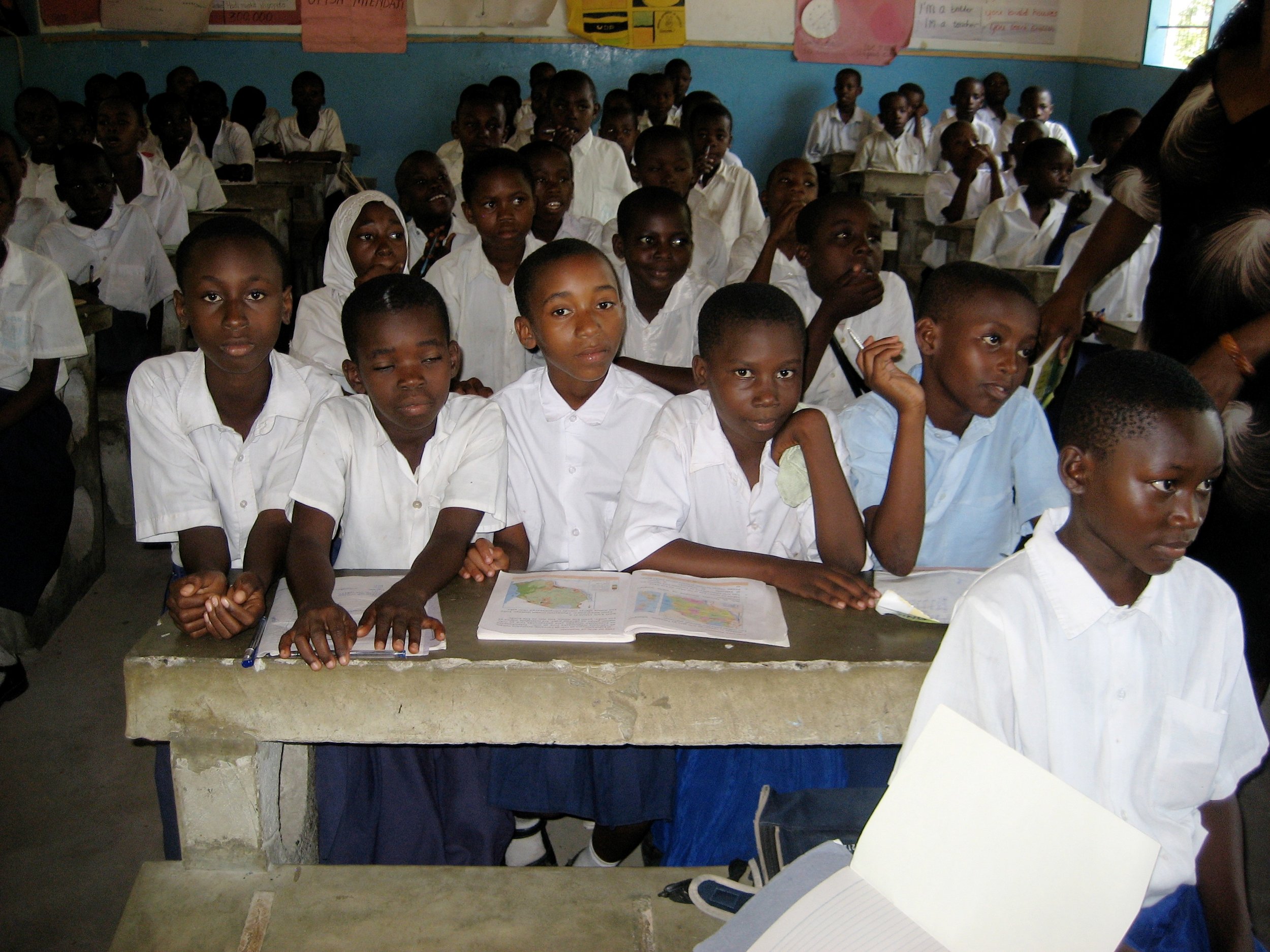
Twelve percent of the budget was awarded in grants related to Community Development. Most of these funds fall under the Gap Program, which in 2025 supported regranting organizations that provide assistance to small community-based groups that advance the well-being of the people who live on the Navajo and Hopi Nations and the health of the land that sustains them. Nine percent of the budget was awarded in grants related to Education. Education funding includes grants in support of higher education institutions, educators, school districts, research, and advocacy groups in the Bay Area, nationally, and internationally.
Six percent of the budget was awarded in grants to Civil & Human Rights organizations. This funding includes grants supporting range of issues, including the prevention of violence against women, preservation of democracy, freedom of speech, and civil liberties. Six percent of the budget was also awarded to Relief & Emergency Assistance grants in response to natural disasters and humanitarian emergencies around the world.
Funding as a Percentage of Grants Budget
General Operating Support
In 2025, 71% of the foundation's total grants budget and 67% of grants awarded were in the form of general operating support. According to Candid, general support accounts for only 20% of US foundation grantmaking, so FFF is distinctive in its practice of favoring unrestricted grants. General support is prized by nonprofit organizations because it allows for flexibility and the payment of expenses not covered by earmarked grants. When FFF awards project-specific grants, a 20% allocation is made available for overhead.
Grant Types as a Percentage of Grants Budget
Note: Values are percentages (%).
Multiyear Grants
In addition to the provision of general support, another best practice among foundations is the provision of multi-year grants. Multi-year grants give assurance to nonprofit organizations that they will have working capital going forward. This is especially helpful when it comes to hiring staff. Too often, nonprofits are unable to provide assurance to potential hires that they can offer salaries beyond one year, and this can reduce the pool of qualified candidates. In 2025, 50% of FFF’s grants budget and 26% of grants awarded were multi-year grants.
Number of Multi-year Grants as a Percentage of the Total Number of Grants Made
Grant Renewals
In 2025, 66% of grants awarded from previous years were renewed. This is within the 60-80% renewal range that we believe is appropriate for a foundation like FFF. A renewal rate below 60% suggests a lack of dependability with grantees, whereas a renewal rate above 80% raises questions about whether the foundation is adequately assessing the performance of grant recipients and actively investigating new opportunities for grants. It is worthy of note that in 2025, the foundation renewed 29 grants through the Climate and Gap Programs and the Black Maternal Health and Marine Conservation Initiatives.
Renewal Rate
Types of Grantees
FFF supports nonprofit organizations at all stages of development -- start-ups, mid-range organizations and mature enterprises. In 2025, 15% of grants went to organizations with budgets under $1,000,000. The foundation can identify early-stage organizations and provide infusions of flexible support that can help catalyze growth.
Organizational Budgets of Grantees Supported in 2025
International Grantmaking
FFF has long been distinctive for its international orientation. In 2025, 31% of the foundation’s grants budget and 32% of grants awarded were directed to settings overseas or for work worldwide. The lower number of international grants compared to previous years is partly due to the Gap Program focus in the Navajo and Hopi Nations in the US, which constitutes 19% of the 2025 grants budget. Twenty-three percent of all US foundations’ grants budgets are committed to international work, a figure that is inflated by the large percentage of international funding coming out of the Gates Foundation. According to the Council on Foundations and Candid’s State of Global Giving by US Foundations, only 13% of US foundations’ global grant dollars go directly to organizations based in the country where programs were implemented. By contrast, FFF favors locally-rooted grantees.
International Grantees as a Percentage of FFF Grants Budget
All in all, FFF continues on a steady course despite the turbulence of world events, with active involvement from Family Council members on issues of great significance both at home and abroad.
2025 Resiliency Fund
In response to the uncertain funding environment in 2025, the Flora Family Foundation’s Family Council and Board took action by increasing payout and creating a $1.26 million Resiliency Fund. The fund's purpose was to support our active grantee partners’ investment in themselves to build strong, resilient organizations. The Fund was open from September to November 2025 and awarded 79 grants at an average of $16,000.
2026 Grants

